
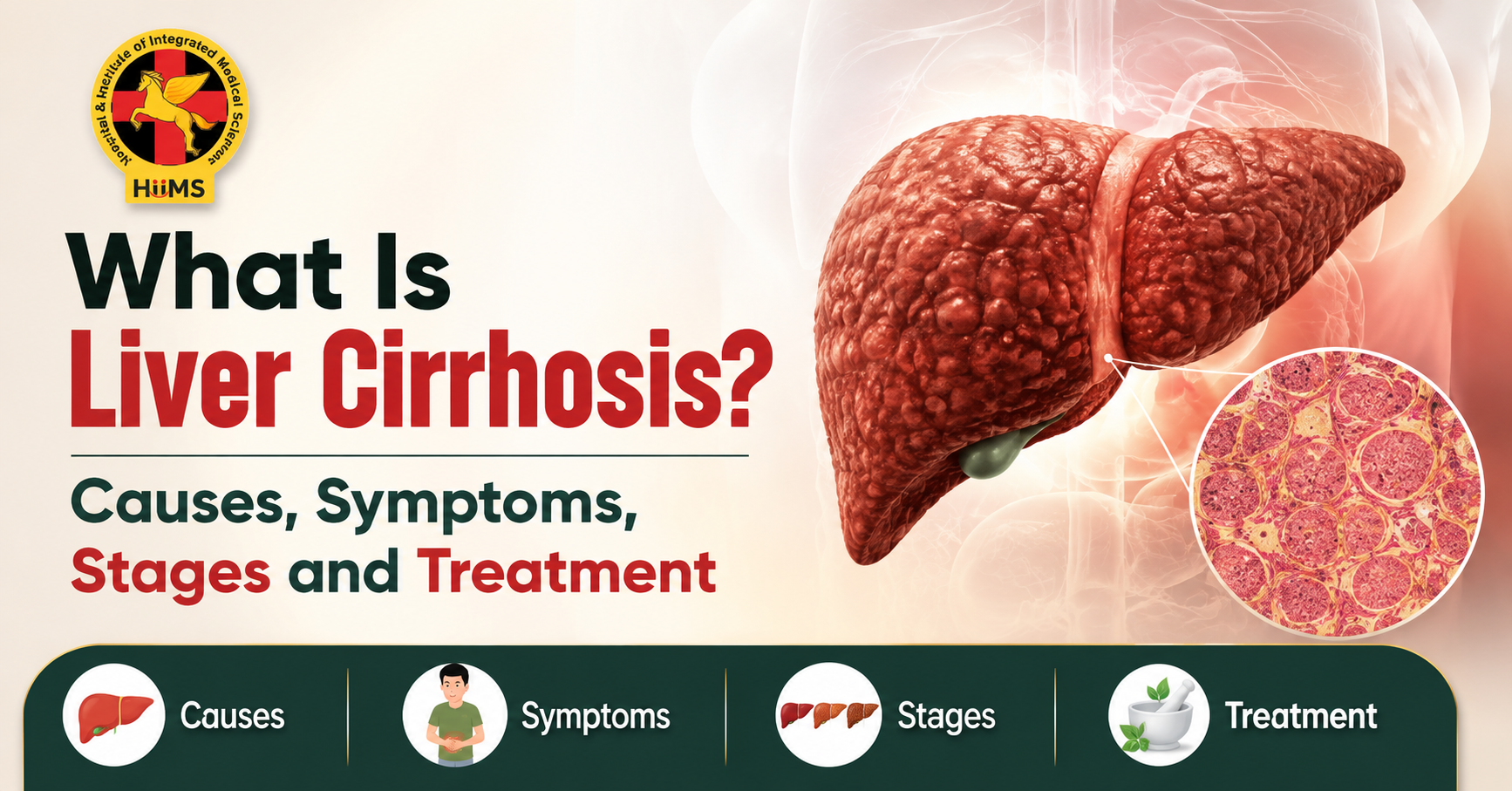
Liver cirrhosis is a long-term condition in which healthy liver tissue is gradually replaced by scar tissue. As scarring increases, the liver may become stiff and may not perform its normal functions effectively. The liver plays an important role in digestion, metabolism, nutrient storage, detoxification, and production of proteins needed by the body. Therefore, protecting liver health and identifying liver problems early is important.
Liver Cirrhosis can develop because of several underlying conditions and lifestyle factors. In the early stages, a person may have few or no noticeable symptoms. As the condition progresses, symptoms can become more apparent and complications may develop. Understanding the causes, symptoms, stages, and available treatment approaches can help people seek appropriate medical care at the right time.
What Is Liver Cirrhosis?
Liver cirrhosis occurs when repeated or long-term liver injury causes persistent inflammation and scarring. The scar tissue gradually replaces functioning liver cells and can interfere with the normal structure and blood flow of the liver.
Unlike healthy liver tissue, extensive scar tissue does not perform liver functions normally. Advanced cirrhosis can affect digestion, blood clotting, fluid balance, hormone processing, and the body's ability to remove waste products from the blood.
Cirrhosis generally develops gradually. The progression can vary depending on its underlying cause, overall health, lifestyle, and whether the condition causing liver damage is addressed.
What Causes Liver Cirrhosis?
Several conditions can contribute to liver cirrhosis. Common causes include:
Chronic Liver Infections
Long-term infection with certain hepatitis viruses, particularly hepatitis B or hepatitis C, can cause ongoing inflammation and liver damage. Without appropriate medical management, prolonged injury may eventually result in fibrosis and cirrhosis.
Fatty Liver Disease
Metabolic dysfunction-associated steatotic liver disease (MASLD), formerly known as non-alcoholic fatty liver disease, can cause fat accumulation and inflammation in the liver. In some people, continued inflammation may progress to fibrosis and eventually cirrhosis.
Alcohol-Related Liver Damage
Long-term excessive alcohol consumption can repeatedly injure liver cells. Continued damage may progress from fatty liver and inflammation to fibrosis and cirrhosis.
Autoimmune and Genetic Conditions
Certain autoimmune disorders can cause the immune system to attack liver tissue. Genetic conditions such as Wilson disease, hemochromatosis, and alpha-1 antitrypsin deficiency can also contribute to chronic liver damage.
Bile Duct Disorders
Conditions affecting the bile ducts can interfere with normal bile flow and gradually damage the liver. Long-standing bile duct problems may increase the risk of advanced fibrosis and cirrhosis.
Certain Medicines and Toxins
Some medicines, chemicals, and toxins can cause liver injury, particularly when exposure is prolonged or when medicines are taken incorrectly. Medicines should always be used according to appropriate medical guidance.
What Are the Symptoms of Liver Cirrhosis?
Symptoms can differ depending on the severity of liver damage. Early cirrhosis may not produce obvious symptoms.
Possible symptoms include:
- Persistent tiredness or weakness
- Loss of appetite
- Unintentional weight loss
- Nausea
- Abdominal discomfort
- Poor digestion
- Easy bruising or bleeding
- Itchy skin
- Swelling in the legs or ankles
- Abdominal swelling due to fluid accumulation
- Yellowing of the skin or eyes
- Dark urine
- Confusion or difficulty concentrating
- Sleep disturbances
The presence of one or more of these symptoms does not necessarily mean a person has cirrhosis. A healthcare professional should evaluate persistent or concerning symptoms.
Stages of Liver Cirrhosis
Cirrhosis is often discussed in terms of compensated and decompensated disease. Doctors may also use scoring systems such as the Child-Pugh classification and MELD score to assess liver function and disease severity.
Stage 1: Early or Compensated Cirrhosis
In the early phase, significant scarring may already be present, but the liver can still perform many of its essential functions. Symptoms may be mild or absent. Some people discover cirrhosis during tests performed for another liver-related concern.
Early identification provides an opportunity to address the underlying cause and reduce further liver injury.
Stage 2: Progressing Cirrhosis
As scarring increases, liver function can gradually become impaired. Symptoms such as fatigue, appetite changes, digestive discomfort, or mild fluid retention may become more noticeable.
Regular monitoring becomes increasingly important during this stage.
Stage 3: Decompensated Cirrhosis
Advanced cirrhosis may lead to complications such as ascites, jaundice, gastrointestinal bleeding, hepatic encephalopathy, and significant swelling. At this point, the liver is struggling to maintain its normal functions.
People with signs of decompensated cirrhosis require prompt medical assessment and ongoing specialist care.
Stage 4: Advanced Liver Disease
Very advanced liver disease can severely affect liver function and may result in life-threatening complications. Treatment at this stage focuses on managing complications, addressing the underlying cause where possible, and evaluating appropriate advanced care options.
How Is Liver Cirrhosis Diagnosed?
A healthcare professional may use several types of assessments to understand liver health. These can include medical history, physical examination, blood tests, liver function tests, viral hepatitis testing, ultrasound, FibroScan or other elastography techniques, and additional imaging when appropriate.
In selected cases, further investigations may be recommended to determine the cause or extent of liver damage.
Diagnosis should not be based on symptoms alone. Appropriate testing helps determine whether liver scarring is present and how significantly liver function has been affected.
Treatment and Management of Liver Cirrhosis
There is no single treatment suitable for every person with cirrhosis. Management depends on the cause, stage, symptoms, complications, and overall health.
Addressing the Underlying Cause
The first step is identifying and managing the condition responsible for liver injury. This may involve appropriate medical management for viral hepatitis, metabolic liver disease, autoimmune conditions, bile duct disorders, or other underlying causes.
Avoiding substances that can further damage the liver is also important. Alcohol should be avoided in people with cirrhosis unless a qualified healthcare professional specifically advises otherwise.
Healthy Nutrition
Good nutrition can support overall health in people with liver disease. Meals should generally focus on balanced nutrition, adequate protein as advised by a healthcare professional, vegetables, fruits, whole grains, and appropriate sources of healthy fats.
People with fluid retention may need individualized guidance regarding sodium and fluid intake.
Maintaining a Healthy Weight
For people whose liver disease is associated with excess weight or metabolic problems, gradual and sustainable weight management may help reduce ongoing liver stress. Crash diets and extreme fasting should be avoided unless medically supervised.
Regular Monitoring
People with cirrhosis often need regular monitoring for changes in liver function and possible complications. Follow-up may include blood tests, imaging, and other assessments based on individual needs.
Managing Complications
Complications such as fluid accumulation, nutritional problems, bleeding, infections, and changes in mental function require appropriate medical evaluation and management. Treatment should be personalized according to the person's condition.
Role of Lifestyle in Liver Health
Lifestyle habits can play an important supportive role in managing chronic liver disease. A balanced diet, regular physical activity appropriate for the individual's health, adequate sleep, avoiding unnecessary medicines or supplements, maintaining a healthy weight, and avoiding alcohol can all support overall wellbeing.
People with diagnosed cirrhosis should discuss any herbal preparation, supplement, or traditional remedy with a qualified healthcare professional before using it, because some substances may affect the liver or interact with medicines.
Liver Cirrhosis Care at Jeena Sikho HiiMS
Jeena Sikho HiiMS focuses on an integrated approach to health and wellness, with attention to lifestyle, nutrition, individualized care, and ongoing health assessment. For people concerned about liver health, proper evaluation is important before choosing any treatment or wellness plan.
Anyone diagnosed with cirrhosis should work with qualified healthcare professionals and follow an individualized care plan. Jeena Sikho HiiMS can be considered as a healthcare setting for consultation and supportive guidance related to liver health.
Can Liver Cirrhosis Be Reversed?
Whether liver damage can improve depends on its cause and severity. Some underlying causes can be effectively managed, which may help slow or prevent further progression. In certain situations, early-stage liver injury and fibrosis may improve when the underlying cause is addressed.
Established cirrhosis involves significant permanent scarring, so complete reversal cannot be assumed. The goal is often to prevent additional liver damage, preserve remaining liver function, and reduce the risk of complications.
When Should You Seek Medical Attention?
Persistent jaundice, abdominal swelling, vomiting blood, black or tarry stools, severe confusion, unusual sleepiness, significant bleeding, or sudden deterioration requires urgent medical attention. Early evaluation is particularly important for people who have known liver disease or risk factors for chronic liver injury.
Conclusion
Liver cirrhosis is a serious chronic condition that develops when prolonged liver injury causes extensive scarring. Its causes can include chronic viral hepatitis, fatty liver disease, alcohol-related liver injury, autoimmune disorders, genetic conditions, and bile duct problems. Symptoms may remain hidden during the early stages and become more noticeable as liver function declines.
Understanding the stages of cirrhosis and identifying its underlying cause are essential for appropriate management. A healthy lifestyle, balanced nutrition, regular monitoring, and timely professional care can support liver health and help reduce the risk of complications. Jeena Sikho HiiMS emphasizes individualized health guidance and lifestyle-focused care, while people with cirrhosis should continue appropriate medical evaluation and monitoring based on their specific condition.