
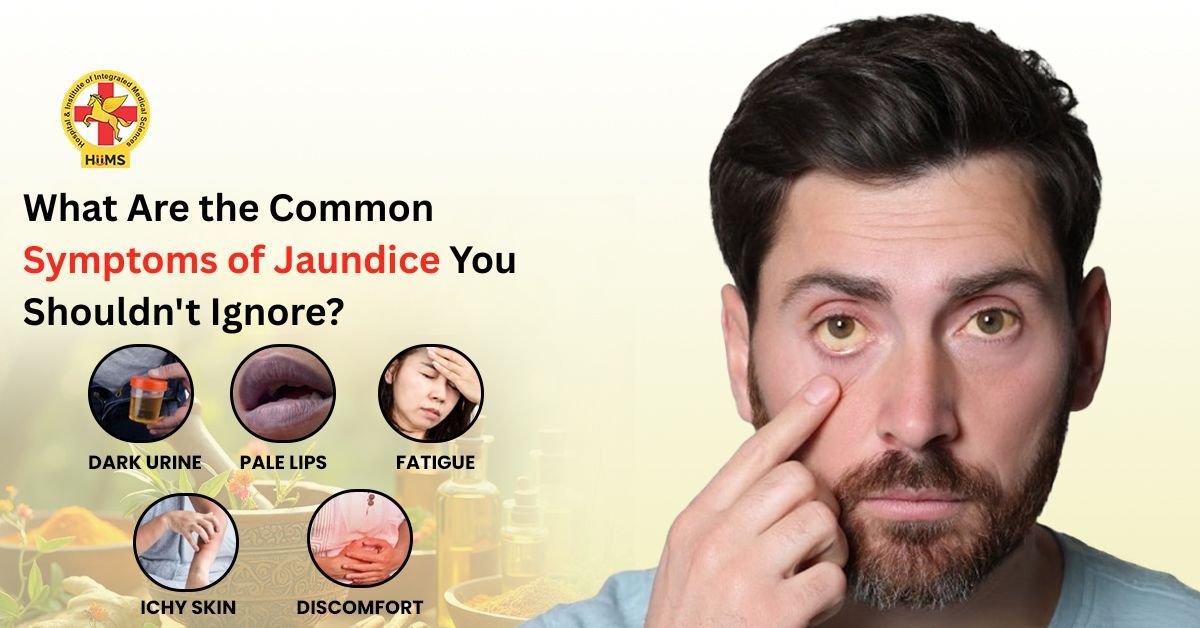
Jaundice is a common health condition that develops when the level of bilirubin in the blood becomes higher than normal. Bilirubin is a yellow-colored substance formed during the natural breakdown of red blood cells. A healthy liver processes bilirubin and removes it from the body through bile. However, when the liver is unable to perform this function efficiently, bilirubin starts accumulating in the bloodstream, causing yellow discoloration of the skin, eyes, and other tissues.
Many people ignore the early symptoms of jaundice, assuming they are caused by tiredness or minor digestive problems. Delaying attention to these symptoms may allow the underlying liver condition to progress. Recognizing the warning signs early can help protect liver health and improve overall well-being.
At Jeena Sikho HiiMS, awareness about liver health is encouraged through holistic lifestyle guidance and Ayurvedic principles that focus on supporting the body's natural healing process.
Understanding Jaundice
Jaundice is not a disease itself but a symptom of an underlying issue affecting the liver, bile ducts, or red blood cells. It can occur in people of all ages, including children and adults. The severity and symptoms may vary depending on the root cause, but timely identification is essential.
The liver plays an important role in detoxifying the body, producing bile, and supporting digestion. When its normal functioning is disturbed, jaundice may develop as one of the first visible signs.
Common Symptoms of Jaundice You Shouldn't Ignore
Several symptoms may indicate jaundice. Paying attention to these warning signs can help you seek timely medical advice and lifestyle support.
1. Yellowing of the Skin and Eyes
The most noticeable symptom of jaundice is a yellow tint on the skin and the whites of the eyes. This happens because excess bilirubin deposits in body tissues. In the beginning, the yellowing may appear only in the eyes before spreading to the face and the rest of the body.
If the yellow color becomes more intense over time, it should never be ignored.
2. Dark-Colored Urine
Urine that appears dark yellow, amber, or tea-colored may indicate increased bilirubin levels. Even if you are drinking enough water, persistently dark urine should be evaluated, especially if accompanied by yellow eyes or skin.
3. Pale or Clay-Colored Stool
Healthy bile gives stool its normal brown color. When bile flow is reduced due to liver or bile duct problems, the stool may become pale, gray, or clay-colored. This change can be an important sign of liver dysfunction.
4. Persistent Fatigue
Many individuals with jaundice experience unusual tiredness and weakness. Even after adequate rest, they may feel exhausted throughout the day because the liver is not functioning efficiently.
5. Loss of Appetite
A reduced desire to eat is another common symptom. People may begin skipping meals because they feel full quickly or have little interest in food. Prolonged loss of appetite may also contribute to nutritional deficiencies.
6. Nausea and Vomiting
Digestive discomfort, nausea, and occasional vomiting may occur when liver function is affected. These symptoms can interfere with daily activities and should not be ignored if they persist.
7. Abdominal Pain or Discomfort
Pain or heaviness in the upper right side of the abdomen, where the liver is located, can be associated with jaundice. The discomfort may range from mild to severe depending on the underlying condition.
8. Itchy Skin
Excess bile salts accumulating beneath the skin can cause persistent itching. The itching may become worse during the night and affect sleep quality. Unlike ordinary skin allergies, this itching often occurs without a visible rash.
9. Unexplained Weight Loss
Some people experience gradual weight loss due to poor appetite and impaired digestion. If weight loss occurs along with jaundice symptoms, it requires proper evaluation.
10. Fever and Chills
In some cases, jaundice may be accompanied by fever and chills, particularly when infections affect the liver or bile ducts. Persistent fever along with yellow eyes should never be overlooked.
What Causes Jaundice?
Several health conditions can interfere with the normal processing of bilirubin.
1. Liver Disorders
Conditions that affect liver function may reduce its ability to remove bilirubin from the bloodstream.
2. Blocked Bile Ducts
Obstruction in the bile ducts prevents bile from reaching the intestines, leading to bilirubin buildup.
3. Excessive Breakdown of Red Blood Cells
Rapid destruction of red blood cells increases bilirubin production beyond what the liver can process.
4. Viral Infections
Certain viral infections affecting the liver may contribute to jaundice and require timely medical attention.
5. Lifestyle Factors
Poor dietary habits, excessive intake of unhealthy foods, lack of physical activity, and long-term stress may negatively affect liver health over time.
When Should You Seek Medical Attention?
You should not ignore jaundice if you notice:
- Yellowing of the eyes or skin.
- Severe abdominal pain.
- High fever with chills.
- Continuous vomiting.
- Confusion or excessive drowsiness.
- Persistent dark urine or pale stools.
- Rapid worsening of symptoms.
Early evaluation helps identify the underlying cause and supports better management.
Supporting Liver Health Naturally
Maintaining healthy liver function requires consistent lifestyle choices. Simple daily habits can make a significant difference.
1. Eat a Balanced Diet
Choose fresh fruits, vegetables, whole grains, sprouts, nuts, and easily digestible foods. Avoid heavily processed foods and excessive sugar.
2. Stay Hydrated
Drinking sufficient water supports normal body functions and helps maintain overall health.
3. Avoid Excessive Oily and Fried Foods
Highly processed and greasy foods may place unnecessary stress on the digestive system.
4. Get Adequate Rest
The body repairs itself during quality sleep. Proper rest supports healthy liver function.
5. Practice Regular Physical Activity
Walking, yoga, stretching, and other moderate activities help improve metabolism and overall wellness.
6. Manage Stress
Meditation, deep breathing exercises, and mindfulness practices may contribute to better digestive and liver health.
Ayurvedic Perspective on Jaundice
According to Ayurveda, liver health is closely associated with the balance of Pitta Dosha. When Pitta becomes aggravated due to unhealthy eating habits, poor lifestyle choices, or digestive imbalance, liver function may be affected.
Ayurveda focuses on identifying the root cause rather than only addressing symptoms. It emphasizes improving digestion, supporting natural detoxification, maintaining dosha balance, and encouraging healthy daily routines through individualized care.
At Jeena Sikho HiiMS, Ayurvedic principles are integrated with personalized dietary guidance and lifestyle recommendations to support overall liver wellness. The approach focuses on enhancing the body's natural ability to restore balance while encouraging sustainable healthy habits.
Tips to Reduce the Risk of Jaundice
You can lower the risk of liver-related problems by following healthy practices:
- Eat freshly prepared and hygienic meals.
- Drink clean and safe water.
- Maintain a healthy body weight.
- Exercise regularly.
- Follow a consistent sleep schedule.
- Avoid self-medication without professional advice.
- Practice good personal hygiene.
- Get regular health check-ups if you have existing liver concerns.
- Manage stress effectively.
- Follow a nutritious and balanced daily routine.
Conclusion
Jaundice is an important warning sign that your liver may need attention. Symptoms such as yellow eyes, yellow skin, dark urine, pale stools, fatigue, itching, nausea, abdominal discomfort, and unexplained weight loss should never be ignored. Early recognition and timely guidance can help identify the underlying cause before complications develop.
Adopting a healthy lifestyle, eating a balanced diet, staying physically active, and following holistic wellness practices can contribute significantly to maintaining liver health. Jeena Sikho HiiMS promotes an Ayurvedic approach that emphasizes supporting the body's natural healing capacity through personalized nutrition, lifestyle modifications, and traditional Ayurvedic principles for long-term liver wellness.